
CYBERBULLYING
T H E I N V I S I B L E T H R E A T O F T H E D I G I T A L W O R L D
What if every word you typed online could hurt someone deeply, even without your face showing? This is the hidden danger of cyberbullying, a silent storm that spreads through screens faster than you can imagine. In today’s world, our lives are more connected than ever. Social media, messaging apps, and online games make communication instant, exciting, and fun. However, these digital connections also bring serious challenges. Unlike traditional bullying, which happens face to face, cyberbullying happens behind screens, where words, images, and videos can reach hundreds or even thousands of people in a matter of seconds. For victims, the pain is real, even if the bully feels untouchable behind a keyboard.

So, what exactly is cyberbullying? It is the use of digital platforms social media, messaging apps, emails, or online games to threaten, insult, or humiliate someone. Unlike traditional bullying, cyberbullying has no boundaries. The bully can be anywhere, and the victim can be targeted anytime. Common forms include sending threatening messages, posting embarrassing pictures or videos, spreading false rumors, or creating fake accounts to harm someone’s reputation. Even actions that may seem small, like excluding someone from online groups, can be a serious form of digital cruelty.
The effects of cyberbullying go far beyond hurt feelings. Victims often face stress, anxiety, depression, and low self-esteem. Many withdraw from online spaces or social activities to avoid harassment. Schoolwork and academic performance can suffer as students struggle to focus or even attend classes. In extreme cases, cyberbullying has led to self-harm or dangerous behavior. Words, even typed on a screen, have the power to leave lasting emotional scars.
The constant fear of being targeted online can make victims feel isolated, even in their own homes. Sleep patterns may be disrupted as they replay hurtful messages or worry about what might appear next. Friendships can be affected, as victims may mistrust peers or withdraw from social circles. The emotional burden can cause physical symptoms like headaches, stomachaches, or fatigue. Some victims become overly cautious about sharing personal information or expressing opinions online. In severe situations, victims may develop long-term anxiety or depression that continues into adulthood. The fear of judgment can prevent them from participating in online communities or school activities. Emotional trauma from cyberbullying can also affect family relationships, as parents and siblings may struggle to provide the right support. Therapy or counseling is often needed to help victims regain confidence and cope with the emotional impact. Ultimately, cyberbullying can change the way a person views themselves, their peers, and the online world forever.
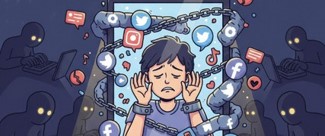
Why do people cyberbully? There are many reasons. Some do it to feel power or control over others. Others act out of anger, jealousy, or frustration. The internet often allows bullies to hide behind anonymity, making it easier to
Today, Mia shares her story to inspire others and raise awareness about the dangers of cyberbullying. Her experience proves that even in difficult times, recovery and strength are possible with
the right support. “Remember, every word you
say things they would never say in person. Some may not fully understand the consequences of their actions. Regardless of the reason, the result is the same someone is hurt, often silently and deeply.
Despite these dangers, there are ways to protect yourself and respond to cyberbullying. The first step is awareness. It is important to know that harassment is never the victim’s fault. Most social media platforms provide tools to block or report abusive users. Being careful with personal information, using strong passwords, and adjusting privacy settings can also reduce risks. Most importantly, victims should talk to a trusted adult, such as a parent, teacher, or counselor. Reporting the bully can stop further harassment and help the victim feel supported.
Education is another important factor in preventing cyberbullying. Schools, parents, and communities can teach young people about responsible online behavior, digital respect, and empathy. Understanding how online actions affect others can reduce the likelihood of harmful behavior. Programs that encourage open discussions about online safety, mental health, and peer pressure can help teenagers navigate the digital world responsibly and safely.
Technology itself can also play a role in addressing cyberbullying. Many social media platforms now have features to detect harmful content, warn users, or limit the spread of offensive posts. While technology cannot completely stop cyberbullying, it can help reduce its impact when combined with education and support.
type online has power. Choose kindness, speak with empathy, and stand up for others because the digital world can be a place of support, learning, and connection if we all take responsibility for our actions.”
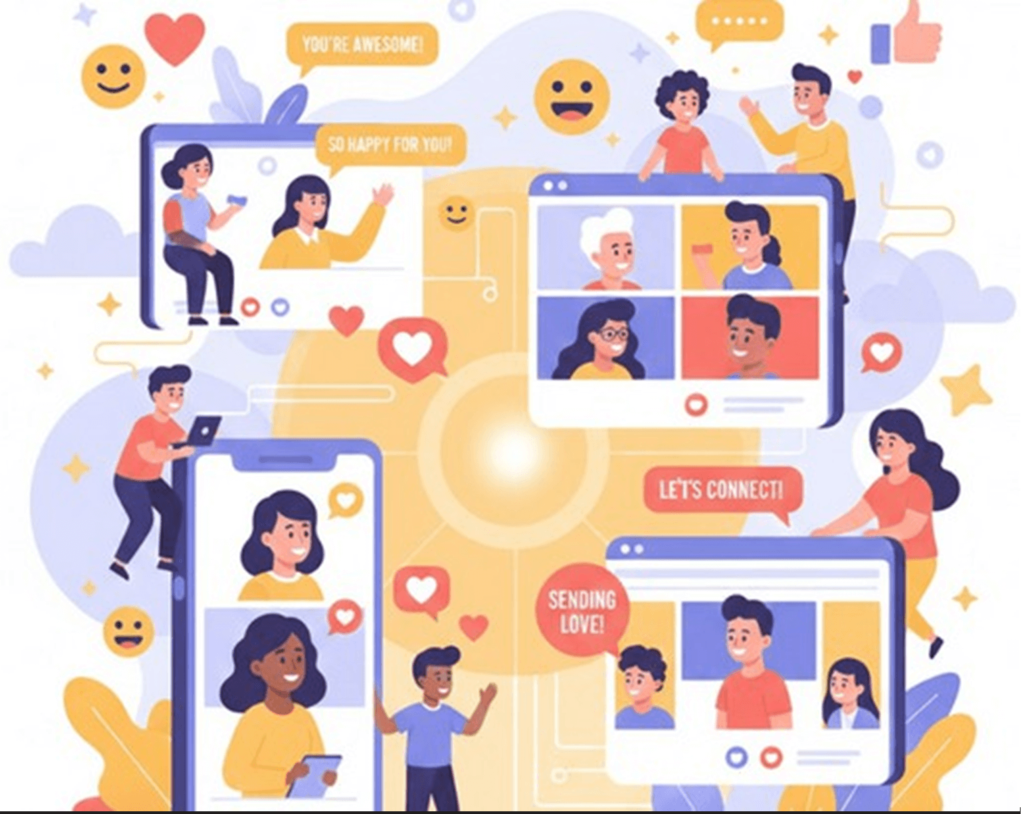
Prevention is not only about protecting oneself it is also about creating a culture of kindness online. Every user has the power to make the internet a safer and more positive place. Simple gestures, like sending encouraging messages, leaving
The digital world is not going away, and with it comes the responsibility to use it wisely. It is important to remember that behind every screen is a real person with feelings, dreams, and dignity. Words written online can hurt, but they can also heal. Together, we can create a safer, more positive digital world. Teaching the next generation that being kind online is just as important as being kind in real life is essential for a healthier, happier society.

You may also like

The China-India power rivalry and Sri Lanka
