𝗙𝗶𝗲𝗹𝗱 𝗩𝗶𝘀𝗶𝘁 𝗼𝗻 𝗣𝗿𝗶𝗺𝗮𝘁𝗼𝗹𝗼𝗴𝘆 – 𝗠𝗶𝗵𝗶𝗻𝘁𝗮𝗹𝗲
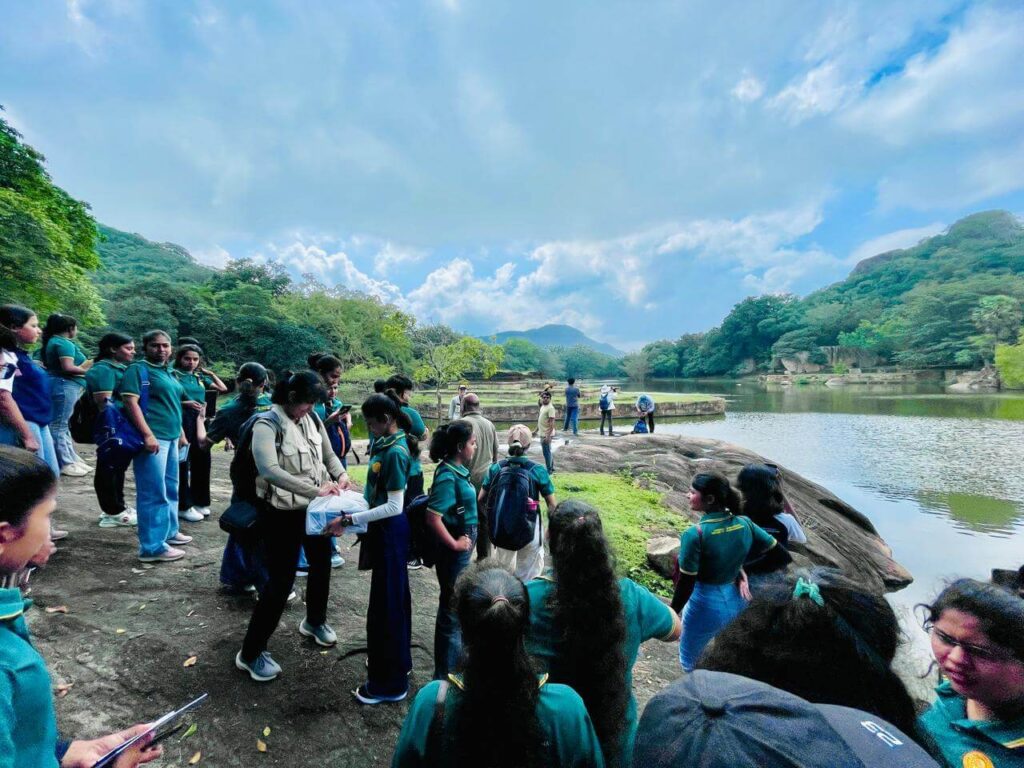
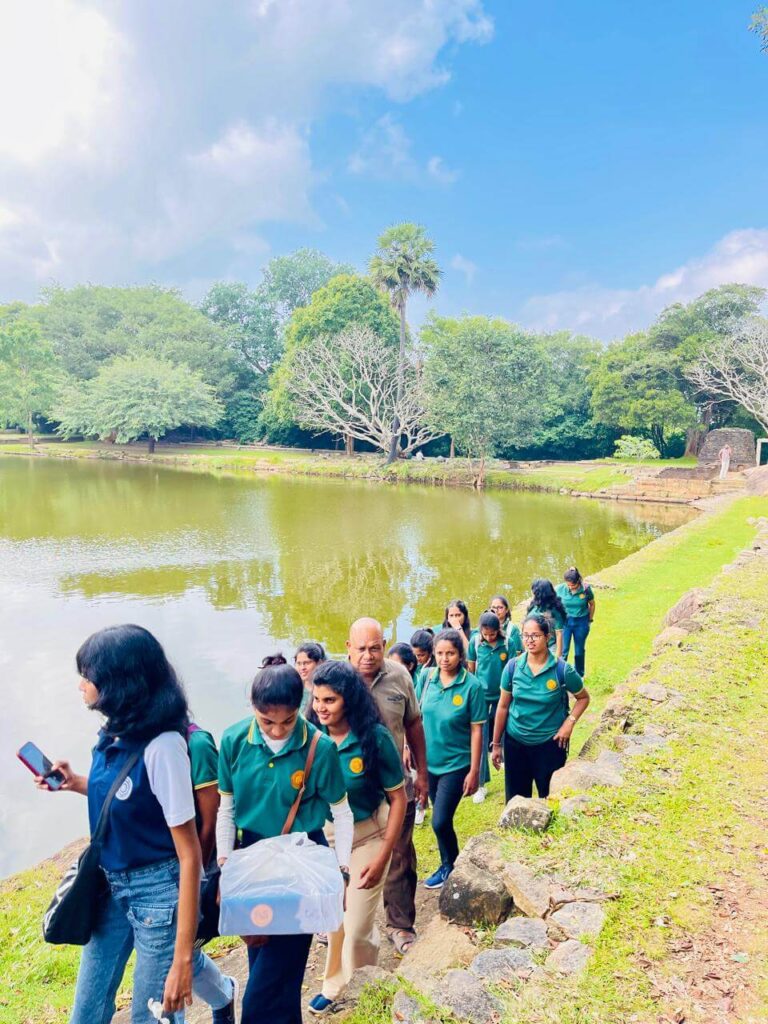
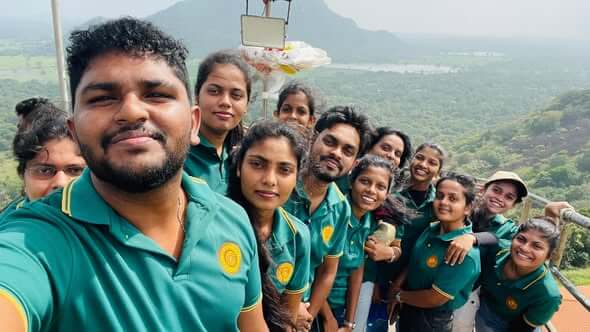
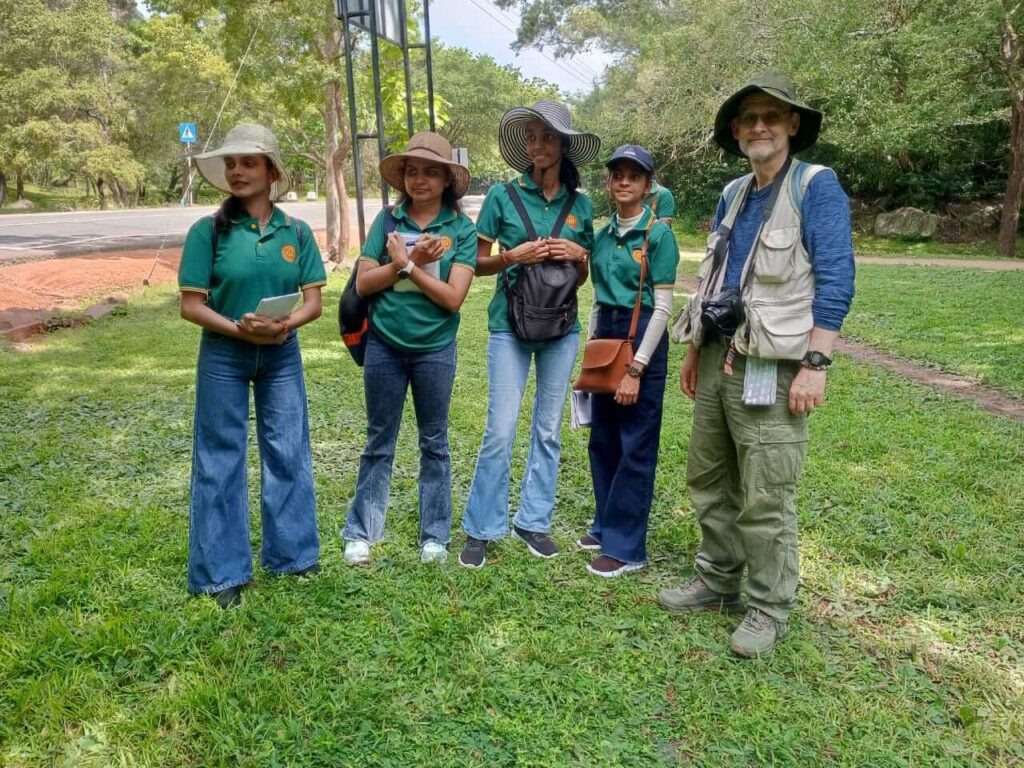
A field visit focusing on primatological studies was conducted on 02nd February 2026 at Mihintale with the participation of fourth-year Anthropology students. This academic field activity was organized as part of the practical learning component of the Anthropology curriculum, aiming to provide students with direct exposure to primate ecology, behavior and the dynamics of human–primate interaction in a natural and culturally significant environment. Mihintale, known for its historical and ecological importance, offers an ideal setting for observing various primate species and examining their behavioral patterns in relation to human presence. The field visit was conducted under the guidance of a distinguished panel of academics including Prof. Sepala Samarasekara, Snr. Prof. Charmalie Nahallage, Prof. Michael Huffman (Associate Professor Wildlife Research Center-Inuyama Campus, Kyoto University), Prof. Hiroyuki Tanaka (Center for Human Evolution Modeling Research, Primate Research Institute, Kyoto University), and Dr. Raveendra Withanachchi. During the visit, students engaged in systematic observation of primate behavior, including feeding patterns, social organization, movement and interaction within groups. Special attention was given to understanding the complex relationship between humans and non-human primates, particularly in a religious and touristic landscape such as Mihintale.
Facebook link: https://www.facebook.com/share/189hzs1UyP/

You may also like